Bioinformatics
Bioinformatics applies computing, statistics and biological knowledge to analyse DNA, RNA, proteins and other biological data.

Tools and technologies
- NCBI resources
- BLAST
- Biopython
- Galaxy
- R / Bioconductor
- Nextflow
- Snakemake
- Jupyter
Practical examples
- Compare a short DNA sequence against public reference sequences.
- Build a reproducible workflow for cleaning and summarising sequencing data.
- Visualise gene-expression data from a public educational dataset.

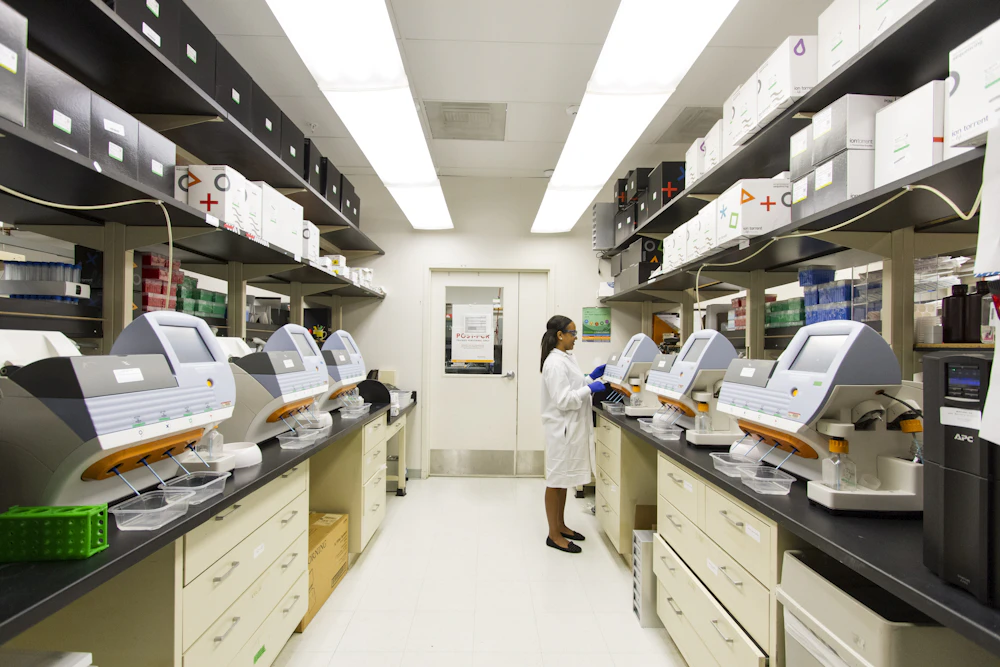
Application areas
- Genomics and public health research
- Pathogen surveillance research
- Drug discovery support
- Agricultural genetics
- Biodiversity studies
- Clinical research support
Suggested hands-on project
A typical workflow
Choose a biological question → use appropriate data with permission → quality-check sequences → run reproducible analysis → interpret with domain experts → document methods and limitations.
How to get started
Choose one small, measurable problem, build a prototype with sample data, document assumptions, test common failure cases, and collect feedback before expanding it.
Developing Bioinformatics Software
We build computational tools that turn biological data into useful insight — from DNA sequencing, transcription and translation to protein research, genetic analysis and early-stage drug discovery.
Explore sequences • Understand genes • Study proteins • Support drug research
BIOINFORMATICS SUITE V10.0.0